
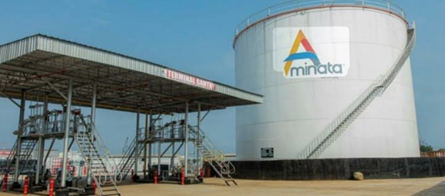
As Parliament prepares to consider the concession agreement between the Government of Sierra Leone and Aminata & Sons (SL) Limited, the debate should focus on one fundamental question: what best serves Sierra Leone’s long-term economic and energy security interests?
The agreement has already undergone scrutiny at the highest level of government and reportedly received unanimous Cabinet approval, accompanied by strong support from ministers who viewed the proposal as a strategic investment in the country’s petroleum infrastructure. Such a level of consensus is significant and reflects confidence in the potential benefits of the project.
At its core, the concession is not simply about a single company. It is about expanding national petroleum storage capacity, strengthening fuel security, encouraging local investment and reducing the country’s vulnerability to supply disruptions. These are objectives that align with Sierra Leone’s broader economic development agenda.
Across the world, governments routinely provide targeted incentives to attract investment into strategic sectors. Petroleum storage infrastructure is capital-intensive and requires substantial financial commitments. Tax incentives and deferments are often used as policy tools to encourage investors to undertake projects that deliver wider national benefits, including job creation, increased economic activity and improved service delivery.
The proposed concession offers Sierra Leone an opportunity to expand its fuel storage capacity without requiring direct public expenditure. If successfully implemented, the investment could enhance the country’s ability to maintain adequate fuel reserves, reduce the risk of shortages and improve overall market stability.
The agreement also sends an important message to both local and international investors. Sierra Leone has consistently emphasized the importance of private-sector-led growth. Supporting credible investments in key sectors demonstrates that the country is prepared to create an enabling environment for businesses willing to invest substantial resources in national development.
Furthermore, increased participation in the petroleum sector can contribute to a more competitive marketplace. Greater investment in infrastructure and storage capacity can help strengthen supply chains, improve efficiency and ultimately benefit consumers through enhanced availability of petroleum products.
Parliament’s responsibility is, of course, to carefully scrutinize every aspect of the agreement to ensure that it serves the national interest. Transparency, accountability and value for money must remain paramount. However, once those standards have been satisfied, lawmakers must also consider the broader economic implications of either approving or rejecting the proposal.
A decision to ratify the agreement would signal confidence in investment, infrastructure development and energy security. It would demonstrate that Sierra Leone is serious about supporting initiatives that expand productive capacity and strengthen strategic sectors of the economy.
Ultimately, this should not be viewed as a debate about personalities or individual companies. It should be viewed through the lens of national development. The real issue before Parliament is whether Sierra Leone should embrace an investment designed to increase petroleum storage capacity, support fuel security and contribute to long-term economic growth.
Given the reported unanimous endorsement by Cabinet and the potential benefits associated with the project, there is a compelling case for Parliament to give the agreement its approval and allow the investment to proceed in the interest of national development and economic progress.