From February 25th to 27th, 2026, Sierra Leone stands at the forefront of regional economic diplomacy, as an esteemed delegation from the Economic Community of West African States (ECOWAS) arrives to bolster the bloc’s integration agenda. Over the course of three days, the delegation will engage with a broad spectrum of stakeholders, including government officials, private entrepreneurs, women’s organizations, youth groups, and international development partners. The overarching objective is to deepen economic cooperation, promote intra-regional trade, and accelerate agricultural transformation across West Africa, with Sierra Leone playing a pivotal leadership role amid the celebrations marking ECOWAS’s 50th anniversary.
This high-profile visit underscores Sierra Leone’s active and strategic engagement within ECOWAS, especially during its golden jubilee celebrations. It also reflects the country’s commitment to the “Year of Action,” a thematic initiative launched by ECOWAS to translate regional aspirations into tangible outcomes. As the region celebrates five decades of integration, the Sierra Leonean government and its partners are determined to leverage this milestone to propel economic growth, foster sustainable development, and reinforce regional solidarity.
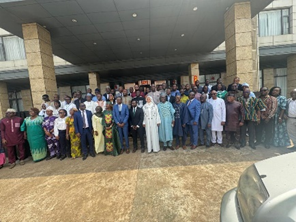
The activities scheduled during the visit are carefully designed to foster dialogue, build consensus, and chart actionable pathways for regional development. Central to these efforts are consultations between Sierra Leone’s Ministry of Trade and Industry and ECOWAS representatives, focusing on removing trade barriers, harmonizing policies, and creating an enabling environment for cross-border commerce. These discussions are vital in fostering a seamless regional market, reducing bureaucratic hurdles, and promoting a unified economic space that benefits all member states.
Private sector stakeholders—ranging from smallholder farmers to large entrepreneurs—will share insights into the challenges and opportunities within the regional economy. Their participation aims to ensure that policy formulations are inclusive and responsive to ground realities. Women’s groups and youth organizations are also integral to these dialogues, emphasizing the importance of gender-sensitive and youth-focused development initiatives that can unlock the full potential of West Africa’s demographic dividend.
International development partners operating within Sierra Leone and the broader West African region will also partake in the consultations. Their involvement underscores the collaborative approach needed to realize the region’s economic ambitions. Agencies such as the International Trade Centre (ITC), the Food and Agriculture Organization (FAO), and the Commonwealth will showcase their support and outline strategies for bolstering regional trade, food security, and private sector development.
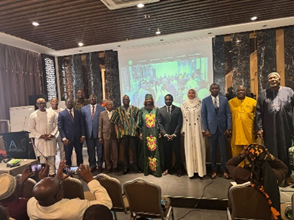
A key highlight of the visit is a high-level conference scheduled at the Atlantic Lumley Hotel in Freetown. The conference, themed “Advancing Regional Economic Integration Through Agriculture Transformation, Regional Trade, and Private Sector Development,” aims to facilitate the domestication and effective implementation of critical regional economic instruments. Policymakers, legal experts, investors, and development stakeholders will gather to deliberate on the African Continental Free Trade Area (AfCFTA) Investment Protocol, the ECOWAS Common Investment Code, and regional dispute prevention mechanisms.
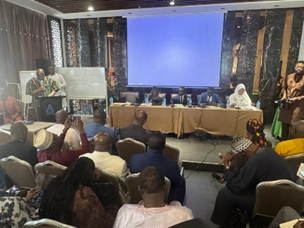
This conference seeks to strengthen regional investment frameworks, promote dispute resolution, and foster secure environments for private sector investments. The discussions are expected to produce actionable recommendations that will guide member states’ policies and reforms, ensuring that regional integration translates into concrete economic benefits for all citizens.
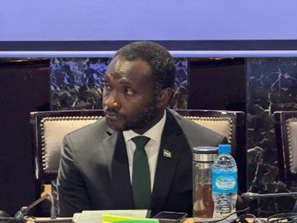
The conference was officially opened on February 26th at the Atlantic Hotel in Freetown by Dr. Henry Musa Kpaka, Sierra Leone’s Minister of Agriculture and Food Security. His remarks underscored the importance of agriculture in achieving food security and economic stability across the region.
In his welcoming address, ECOWAS Resident Representative in Sierra Leone, Ambassador John Azumah, emphasized the significance of hosting the event in Sierra Leone, a testament to the bloc’s unwavering commitment to regional integration. He expressed optimism that the conference would catalyze the development of policies aligned with ECOWAS’s strategic objectives, especially in elevating agricultural productivity, promoting intra-regional trade, and fostering inclusive growth.
Ambassador Azumah also highlighted that this year’s celebrations, coinciding with ECOWAS’s 50th anniversary, serve as a reminder of the progress made while acknowledging the work that remains. He stated, “Today, ECOWAS is a pillar of stability and development in West Africa, and hosting this conference in Sierra Leone is a testament to our collective resolve to build a resilient, prosperous, and integrated region.”
Several high-ranking officials of Sierra Leone expressed their commitment to regional integration and economic transformation. Haja Fatmata Kamara, Deputy Minister of Trade and Industry, conveyed pride in the country’s leadership role within ECOWAS. She reaffirmed Sierra Leone’s dedication to supporting free trade, regional cooperation, and private sector growth, emphasizing the government’s resolve to implement regional obligations that foster economic development.
Similarly, Kenyeh Barley, Minister of Planning and Economic Development, highlighted the importance of economic integration for national progress. She noted, “This gathering comes at a critical time when Sierra Leone, under the leadership of President Julius Maada Bio, is chairing ECOWAS. Our collective efforts in fostering regional trade and cooperation are essential for the prosperity of our nations.”
Minister of Agriculture and Food Security, Dr. Henry Musa Kpaka, reiterated the centrality of agriculture in Sierra Leone’s development agenda. He emphasized that food security is integral to stability and economic resilience. “We must prioritize our farmers, support large-scale production, and encourage private sector investments in agriculture—this is the way forward for Sierra Leone and the entire ECOWAS region,” he stated.
He recounted successful government initiatives, such as transforming onion production from a crisis to a thriving industry and encouraging poultry farming to reduce reliance on imports. Dr. Kpaka stressed that continuity of policies and investments is vital, even amidst political changes, advocating for sustained support for food production, innovation, and technology.
International development partners have played a vital role in supporting regional initiatives. Representatives from FAO, ITC, the Commonwealth, and other agencies attended the conference, reaffirming their commitment to regional development objectives.
The FAO representative announced that the organization would provide a support package of five hundred thousand dollars to bolster agricultural policies within ECOWAS. This funding aims to promote agricultural innovation, increase productivity, and ensure food security in the region.
The conference also served as a platform for discussions on mobilizing resources, fostering technology transfer, and strengthening regional cooperation. Participants emphasized that sustainable development requires a collective effort—combining policy reforms, private sector engagement, and international support.
The Sierra Leone ECOWAS visit is a clear indication of the bloc’s renewed focus on regional integration through practical, impactful initiatives. By fostering dialogue among policymakers, entrepreneurs, farmers, women, youth, and development partners, the region aims to build a resilient economic ecosystem capable of withstanding global challenges.
The focus on agriculture, trade, and private sector development aligns with ECOWAS’s broader objectives—creating a single market, reducing trade barriers, and promoting inclusive growth. The region’s 50th anniversary celebrations serve not just as a commemoration, but as a launchpad for ambitious plans to transform West Africa into a competitive global economic player.
Sierra Leone’s leadership role in hosting this significant event underscores its strategic importance within ECOWAS. The country’s focus on agriculture, trade, and development reflects a broader vision of regional prosperity rooted in inclusive growth and sustainable development.
As the region charts its course forward, the collaboration fostered during this high-level engagement will undoubtedly contribute to realizing the dream of a united, prosperous, and resilient West Africa—an aspiration that has inspired generations and promises a brighter future for millions of its citizens.