FREETOWN, SIERRA LEONE- 19th February 2026
The Campaign for Human Rights and Development International (CHRDI) is sounding an urgent alarm following a monitoring visit on 17 February 2026 to the Sierra Leone Correctional Services (SLCS) facilities in Freetown. Our findings reveal a catastrophic breakdown of human rights, safety, and basic dignity within these facilities.
Systemic Injustice and Legal Failures
Detention Without Indictment:
CHRDI documented numerous cases of individuals held in “safe custody” for prolonged periods without an indictment for over 4 years. 76 males and 17 females were in safe custody without official reasons or records from TOCU. 385 males and 36 females are in detention without indictment, which is beyond the legal requirement. This lack of due process constitutes a grave violation of the Criminal Procedure Act (CPA) and international human rights standards. Most of these inmates are without legal representation.
Judicial Delays
The chronic failure to deliver timely judgments has left many detainees in a legal vacuum, effectively serving sentences before ever being convicted. 13 people in the male correctional service facility were on reserved judgment, and 205 were on prolonged adjournment trial from 2016 to 2025. Out of 29 foreign nationals in the male correctional facility, one died in February 2026. The cause of death was not explained to us.
Deplorable Living Conditions
Extreme Overcrowding: The male correctional facility was originally constructed to accommodate a maximum of 324. At the time of our visit, there were 1802 male inmates, according to the Correctional Services records, indicating overcrowding. Cell facilities originally designed for a single occupant are now housing up to 13 people in some cases. This congestion makes social distancing impossible and fuels the spread of infectious diseases.
WASH and Food Crisis: Detainees face a severe shortage of clean water and adequate nutrition. The lack of a consistent water supply has rendered sanitation facilities “deplorable” and “unfit for human living”. At the female correctional facility, we recorded 8 children aged 0-2 who were born to inmates.
Medical Neglect: Healthcare services are virtually nonexistent or severely limited, and urgent medical issues are frequently neglected by the authorities. In the male correctional service, 97 individuals were HIV-positive, and in the female facility, 15 were HIV-positive. Among the males, 26 had positive TB. At the time of our visit to the male correctional facility, 15 people were admitted to the prison’s poorly developed make-shift hospital, which has 16 sick beds for over 1000 male inmates. The clinic lacked medical equipment and medical supplies, and had poor working conditions for staff.
The female unit has 5 hospital beds for over 200 female inmates, with 5 nurses, sometimes only one on duty at a time. There were a total of 11 cases with mental illness in the correction services with improper care; 9 males, and 2 females.
Security Infrastructure Collapse
Technology Failures: CHRDI confirmed that critical security infrastructure, including some CCTV cameras and security scanners, is currently non-functional. This failure endangers both the inmates and the correctional officers, creating a volatile environment where safety cannot be guaranteed. Staff are also exposed to naked electrical cables, and old fire extinguishers are not properly maintained.
Call to Action
CHRDI calls on the Government of Sierra Leone and the Sierra Leone Correctional Service to:
- Immediate Review: Fast-track the indictment process and release those held unlawfully beyond legal limits.
- Emergency Infrastructure Fix: Immediately repair security scanners and cameras to restore institutional safety.
- Humanitarian Intervention: Ensure every detainee has access to sufficient food, clean water, and professional medical care.
- Decentralisation and Reform: Implement the recommendations of the Human Rights Commission of Sierra Leone (HRCSL) and other civil society groups to reduce overcrowding and modernise the punitive pre-independence-era facilities.
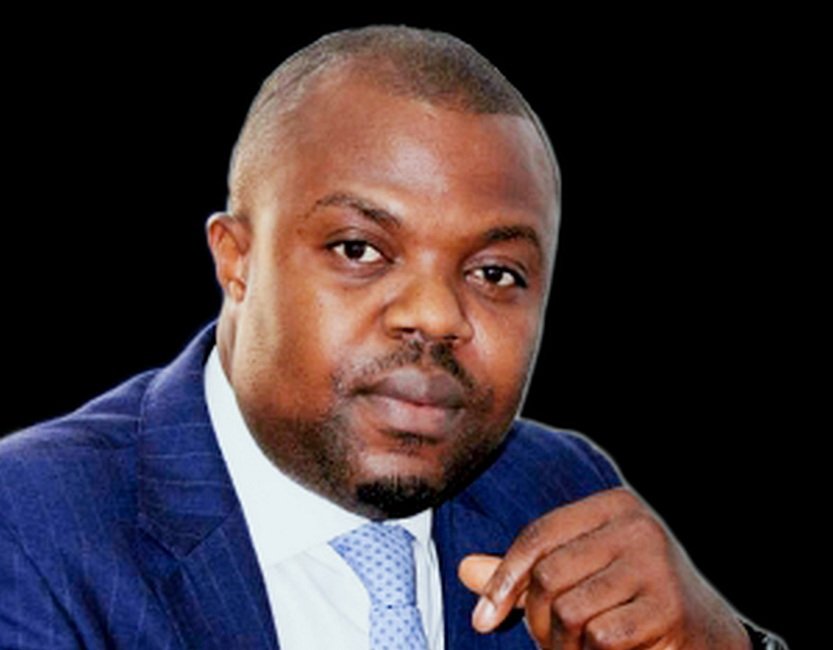
“No nation can claim progress if its correctional facilities remain centres of human degradation. Justice must be more than a legislative promise; it must be a functional reality for every Sierra Leonean,” stated Abdul M. Fatoma, Chief Executive of CHRDI.