
James Baggie Bio Reduces Bureaucratic Hurdles

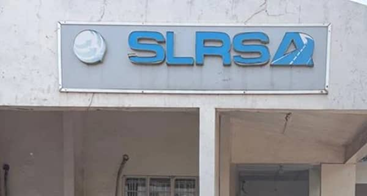
On Saturday, March 7th, 2026, the Sierra Leone Road Safety Authority (SLRSA) marks a significant milestone: one year of dedicated leadership by Executive Director James Baggie Bio. His tenure has already begun to reshape the institution, injecting a renewed energy, innovative spirit, and firm commitment to public service that promises to enhance road safety and improve service delivery for motorists, commercial drivers, and transport operators across the nation.
In the past twelve months, Bio has championed a series of transformative reforms aimed at modernizing road safety management in a country where the need for improved systems is paramount. One of the most notable achievements of his first year has been the push toward digitalization and institutional efficiency. Under his direction, the SLRSA has accelerated the implementation of automated systems for vehicle registration and driver licensing. This digital shift has considerably reduced bureaucratic hurdles, enhanced transparency, and significantly improved the speed and reliability of services provided to the public.
Among the monumental advancements during this period was the launch of the RFID Vehicle Identification Device. This state-of-the-art system allows road safety officials to scan vehicles from a distance and instantly access their registration information. Such innovation is anticipated to strengthen enforcement efforts, helping to identify unregistered or non-compliant vehicles while improving monitoring capabilities across Sierra Leone’s expansive road network.
Bio has also prioritized decentralizing services to ensure greater accessibility for citizens. In a historic move, the SLRSA expanded the issuance of vehicle documentation and driver’s licenses to all districts nationwide. This vital initiative has permitted thousands of vehicle owners and drivers in provincial areas to obtain essential services closer to their homes, instead of making lengthy trips to the capital. The convenience brought by this reform has been welcomed by many, marking a significant improvement in service delivery.
Further underscoring Bio’s commitment to infrastructure enhancement is the ongoing construction of a modern SLRSA office complex located at St. Helena, along Bai Bureh Road. Once completed, this facility is set to bolster the Authority’s operational capacity, representing a new era of professionalism and efficiency within the institution. By investing in such infrastructure, Bio demonstrates a clear vision for a better-functioning road safety authority.
To ensure that vehicles and machinery operating on Sierra Leone’s roads meet required safety standards, Bio has also overseen the establishment of a modern vehicle fitness and inspection center. This center aims to enforce adherence to safety protocols, ultimately protecting lives on the roads.
On the enforcement front, the SLRSA, under Bio’s leadership, has intensified nationwide operations targeting reckless behavior on the roads. Over the past year, hundreds of vehicles, motorcycles, and commercial motorbikes found in violation of road safety regulations have been arrested and impounded. These enforcement drives focus on unregistered vehicles, reckless driving, and non-compliance with safety requirements, sending a strong message about the importance of accountability on the roads.
Alongside these enforcement efforts, the Authority has taken decisive action against illegal roadside garages and unauthorized vehicle repair operations. Numerous structures that posed safety risks and obstructed public roadways have been cleared. These initiatives are part of a broader strategy to enhance traffic management and foster safer environments for both motorists and pedestrians.
Recognizing that effective change requires community engagement, Bio has placed a strong emphasis on public education. Through nationwide road safety outreach programs, the SLRSA actively engages communities, transport unions, and schools to cultivate awareness regarding responsible driving, pedestrian safety, and the perils of reckless road behavior. Targeting particularly young people, these initiatives aim to instill a culture of road safety that will resonate through future generations.
Reflecting on the changes made throughout the past year, observers note that Bio has articulately begun to implement a clear vision for a modern, technology-driven, and people-centered road safety system. His leadership is characterized by an emphasis on accountability, innovation, and improved service delivery—key pillars vital for effective institutional transformation.
As he honors his first anniversary in office, many stakeholders express optimism regarding the progress made thus far. They view it as the beginning of a more extensive transformation within Sierra Leone’s road transport sector. With a continued focus on sustained reforms, strategic planning, and genuine commitment to improvement, the leadership of James Baggie Bio is positioning the Sierra Leone Road Safety Authority to play an even more pivotal role in forging safer roads, offering improved services, and creating a more modern and efficient transport system for the nation.
The journey may have only just begun, but the momentum built under Bio’s guidance signifies a promising future for road safety in Sierra Leone—a future where every citizen can travel with confidence and security.