Gento’s Banana Island & Kent Project: Sierra Leone’s Path to Economic Transformation

The recent hosting of the 69th Economic Community of West African States (ECOWAS) Mid-Year Summit by Sierra Leone was more than a diplomatic milestone; it was a defining moment for the nation’s economic future. The summit brought together Presidents, policymakers, business leaders, and development partners from across West Africa, creating a platform to discuss regional integration, infrastructure development, and economic growth. While the diplomatic achievements and regional cooperation were noteworthy, the underlying message that resonated most was clear: the future of West Africa and Sierra Leone’s in particular, depends on bold, tangible economic actions, not just political declarations.
This summit provided Sierra Leone with an invaluable opportunity to reposition itself as a regional economic hub, showcasing its potential to attract investment, develop infrastructure, and create jobs. It was a moment for the nation to demonstrate leadership and to turn commitments into concrete realities. As President Julius Maada Bio succinctly put it during the summit, “Our responsibility is to move from commitment to implementation.” These words, powerful and straightforward, should serve as a blueprint for Sierra Leone’s national development strategy.
In the context of national development, words alone are insufficient. The true test lies in turning strategic visions and commitments into tangible projects that benefit citizens. Implementation involves cutting through bureaucratic red tape, ensuring that approved projects move from paper to ground, and translating policy promises into infrastructure, jobs, and sustainable economic growth.
For Sierra Leone, this means ensuring that already approved initiatives—such as infrastructure projects, reforms, and investment incentives—are not delayed or neglected. It requires a committed effort to accelerate project execution, streamline administrative procedures, and foster an environment conducive to private sector participation.
President Bio’s call to “move from commitment to implementation” underscores this need. It is a reminder that the success of any development agenda hinges on the capacity of institutions to deliver. Governments and institutions must facilitate investments that directly improve the lives of ordinary Sierra Leoneans. Whether it’s building roads, ports, hospitals, or energy facilities, the focus must be on results that create jobs, boost economic activity, and raise living standards.
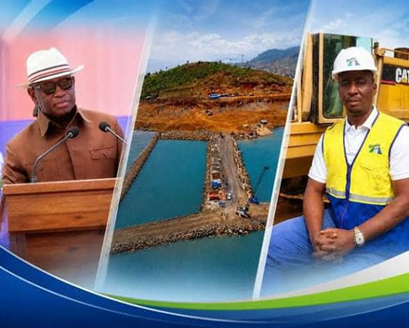
One of the most promising initiatives aligning with this call for implementation is the proposed Gento Banana Island Transshipment Port and the Kent Logistics Harbour Project. Valued at approximately US$1.5 billion, this transformative infrastructure development aims to reposition Sierra Leone as a key maritime and logistics hub in West Africa.
This project is more than just an infrastructural investment; it is a bold reimagining of Sierra Leone’s economic role in the region. It offers a strategic opportunity to boost trade, create jobs, and stimulate economic diversification factors critical for sustainable growth.
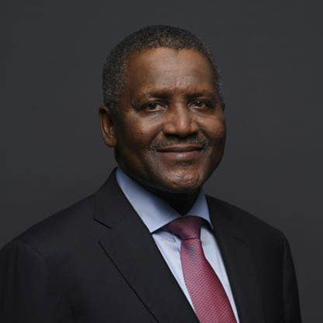
During the summit, Aliko Dangote, Chairperson of the ECOWAS Business Council and one of Africa’s most prominent entrepreneurs, emphasized the importance of large-scale productive investments. Dangote challenged regional leaders to think beyond ceremonial gestures and focus on tangible renewal through industrialization and job creation. He pointed out that “Fifty years is long enough for reflection, but, more importantly, it is time for renewal,” emphasizing that regional progress depends on concrete projects that generate employment and economic activity.
The Banana Island and Kent projects exemplify this renewal. According to projections, their construction phase alone could generate over 1,000 direct jobs, providing livelihoods for thousands of Sierra Leoneans. Once operational, the projects could sustain as many as 10,000 permanent jobs across various sectors—logistics, shipping, engineering, warehousing, customs, hospitality, and transport. These figures are not mere statistics but represent real opportunities for families, communities, and the nation’s economic resilience.
Such employment creation is crucial, especially considering the high unemployment rate among Sierra Leone’s youth and graduates. The projects’ potential to generate sustainable jobs offers hope for a future where economic growth translates into improved living standards.
Dangote’s remarks also highlight a vital challenge facing the region: despite regional growth projected at around five percent this year, millions of young Africans many in Sierra Leone remain unemployed. Growth figures alone do not solve the unemployment crisis. For growth to be meaningful, it must be inclusive and generate opportunities for the youth, artisans, technicians, and small businesses.
Strategic infrastructure projects like the Banana Island and Kent developments are essential in this regard. They serve as catalysts for broader economic activity, attracting investment, and supporting small and medium enterprises (SMEs). These projects could also stimulate ancillary industries, creating a multiplier effect that benefits the entire economy.
Other regional leaders echoed similar sentiments, emphasizing the importance of infrastructure, institutional strength, and regional integration. President Mamady Doumbouya of Guinea urged leaders to focus on the economy and the well-being of their citizens, stating, “A strong community is one that helps its members prosper together.” His call resonates deeply with Sierra Leoneans, who are eager for tangible improvements such as roads, hospitals, energy, markets, and jobs not just political rhetoric.
Similarly, Senegal’s incoming ECOWAS Chairperson Bassirou Diomaye Faye underscored the importance of strengthening institutions and prioritizing sectors like agriculture, industry, and trade. Without reliable ports, efficient logistics, and modern infrastructure, these sectors cannot thrive. The proposed Banana Island Transshipment Port is central to this vision.
Sierra Leone’s current maritime infrastructure, particularly the Queen Elizabeth II Quay, has been stretched to its limits, with congestion becoming a persistent challenge. The establishment of a new port at Banana Island offers an innovative solution. Its naturally deep waters could accommodate some of the world’s largest cargo vessels without extensive dredging, making it an attractive hub for international shipping.
Connecting Banana Island to the Kent Logistics Hub would create an integrated supply chain capable of handling cargo not only for Sierra Leone but also for neighboring West African markets. This transshipment model would allow large vessels to unload at Banana Island, with regional ships redistributing goods across West Africa, reducing transportation costs, and positioning Sierra Leone as a regional maritime gateway.
Rather than viewing the new infrastructure as competition, Sierra Leone should see it as a complement to existing facilities. A diversified port ecosystem comprising Queen Elizabeth II Quay, the Hastings Dry Port, and the proposed Banana Island would increase efficiency, attract more shipping lines, and generate higher concession revenues for the government.
The government has already demonstrated its support by approving the project through Cabinet and Parliament, and reportedly committing US$20 million as a counterpart contribution. Fulfilling this commitment swiftly would signal seriousness to international investors, boosting confidence in Sierra Leone’s investment climate.
The location of Kent, once a symbol of the transatlantic slave trade, offers Sierra Leone a unique opportunity for historical redemption. Historically associated with forced human departure, Kent could instead become a symbol of commerce, investment, and prosperity. Transforming this site into a thriving port and logistics hub would serve as a powerful narrative shift—one that redefines Sierra Leone’s future and its place in regional trade.
The recent ECOWAS Summit underscored a vital lesson: Africa’s future depends not merely on speeches but on the implementation of concrete projects. The emphasis on infrastructure, institutional reform, regional trade, and job creation aligns with Sierra Leone’s own development goals.
The challenge now lies in translating these high-level commitments into tangible progress. President Bio’s words, “Our responsibility is to move from commitment to implementation,” must guide the nation’s actions.
This means fast-tracking projects like the Banana Island Transshipment Port and Kent Logistics Harbour from approved plans to operational realities. It involves mobilizing resources, streamlining administrative processes, and fostering partnerships with private investors.
Success will require unwavering political will, transparent governance, and strategic partnership building. The government’s willingness to honor commitments, as demonstrated by approvals and funding contributions, will be critical in attracting international investors who seek confidence and certainty.
The broader regional context also offers opportunities. As West Africa continues to grow economically, Sierra Leone’s strategic location and port infrastructure can position it as a regional hub, boosting trade, attracting investment, and creating millions of jobs.
In conclusion, the recent ECOWAS summit has reaffirmed that Africa’s development will not be driven solely by words but by tangible, impactful projects. Sierra Leone’s opportunity lies in turning commitments into realities—especially through transformative investments like the Gento Banana Island Transshipment Port and the Kent Logistics Harbour.
These projects embody the nation’s potential to redefine its economic landscape, create employment, and improve the lives of its citizens. As President Bio emphasized, “Our responsibility is to move from commitment to implementation.” If Sierra Leone embraces this challenge with urgency and resolve, it can build a legacy of boldness, resilience, and sustainable progress—one that will be remembered long after banners come down and summit curtains fall.
The time is ripe for Sierra Leone to seize this moment, to turn regional aspirations into national achievements, and to demonstrate that bold investments and decisive action are the true catalysts for economic transformation in West Africa.