Citizens Demand Restoration Of Status & Confiscated Properties

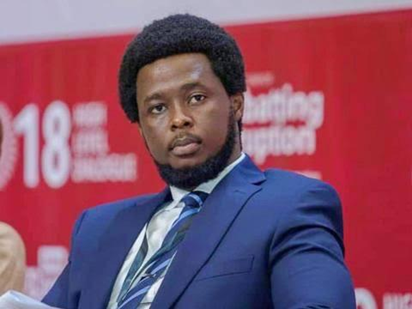
In recent times, the political and economic landscape of Sierra Leone has been marred by allegations of corruption, mismanagement, and abuse of office involving high-ranking officials of the National Revenue Authority (NRA). Among the prominent figures caught in this web of suspicion is Abu Kamara, a former senior official of the NRA. The Anti-Corruption Commission (ACC), Sierra Leone’s primary anti-corruption body, initiated an investigation into the alleged manipulation of the NRA’s automated revenue collection system, ASYCUDA, which is pivotal for the country’s revenue mobilization efforts.
The ACC’s probe was triggered by reports and suspicions raised over alleged revenue diversion schemes involving the ASYCUDA system, an automated customs and revenue management platform designed to enhance transparency and efficiency in revenue collection. The system, when manipulated, could allow officials or external actors to divert revenue into private accounts, thereby undermining the state’s financial stability and development efforts.
The investigation was conducted discreetly over several months, employing forensic audits, data analysis, and interviews with relevant personnel. The primary aim was to identify any officials involved in corrupt practices, recover misappropriated funds, and strengthen the integrity of Sierra Leone’s revenue collection mechanisms.
The outcome of the ACC’s investigation affirmed that Abu Kamara was not among the officials linked to the alleged revenue diversion scheme. This was a significant revelation, considering that initial suspicions and media reports had implicated him as a potential beneficiary or accomplice in manipulation of the ASYCUDA system. The confidential nature of the investigation meant that the ACC meticulously examined all possible leads, scrutinized data, and cross-verified information to ensure accuracy.
The findings indicated that the allegations against Abu Kamara were unfounded or at least not supported by concrete evidence. No credible proof emerged to suggest his involvement in any illicit activities related to revenue diversion. Consequently, the ACC’s report absolved him of any wrongdoing concerning the case.
The conclusion that Abu Kamara was not involved in the alleged scheme has profound implications. It raises questions about the initial motives behind his suspension, the fairness of the investigation process, and the subsequent actions taken by the government and relevant authorities. The fact that he was detained, his properties confiscated, and his reputation publicly tarnished despite the absence of evidence, points to a miscarriage of justice and a possible abuse of procedural fairness. Such actions open the opportunity to Abu Kamara to take legal action against the ACC and the NRA
Furthermore, the confiscation of properties and assets without due process or concrete proof contravenes the principles of natural justice and the rule of law. Such actions not only damage the individual’s rights, but also undermine public confidence in institutions tasked with fighting corruption.
Given the comprehensive findings of the ACC investigation, there are compelling reasons why the government, the ACC, and the NRA should consider reinstating Abu Kamara to his previous position, allowing him to return to the country, and restoring his confiscated properties. These reasons are rooted in principles of justice, fairness, transparency, and good governance.
Justice and Fairness: Justice demands that individuals should only be penalized or deprived of their rights when there is substantive evidence supporting such actions. Since the ACC’s investigation did not find Abu Kamara guilty of any misconduct, continuing to deny him his position, properties, or the right to return, is unjust. Restoring him upholds the core principles of fairness and due process.
Presumption of Innocence: In the legal and moral framework, every individual is presumed innocent until proven guilty. The absence of evidence linking Abu Kamara to the revenue diversion scheme means that his rights should be restored, and any punitive actions should be reversed.
Rebuilding Trust and Confidence: For Sierra Leone to strengthen its fight against corruption, it must also demonstrate fairness and adherence to the rule of law. Reinstating Abu Kamara and returning his confiscated properties would send a positive message to the public that the government and anti-corruption bodies operate transparently and justly.
Correcting Administrative Errors: The confiscation of properties and suspension of Abu Kamara were based on unsubstantiated allegations. Correcting these errors is essential for the integrity of government institutions and to prevent the erosion of public trust in anti-corruption efforts.
Encouraging Whistleblowers and Transparency: A fair process that respects individual rights encourages whistleblowers and promotes transparency. If individuals involved in corruption are only penalized when evidence is clear, it will strengthen the overall anti-corruption strategy.
Economic and Social Stability: Unjust actions against public officials can destabilize morale within government institutions, discourage qualified professionals from serving, and potentially hinder economic development. Reintegration of Abu Kamara would support stability and continuity within the NRA and related agencies.
Legal and International Standards: Sierra Leone, like many nations, is committed to upholding international standards of human rights and legal fairness. Restoring Abu Kamara aligns with these standards and reflects the country’s commitment to justice.
The Path Forward
Reinstating Abu Kamara is not only a matter of individual justice, but also a broader statement about Sierra Leone’s commitment to good governance and the rule of law. The government and relevant institutions should take immediate steps to:
- Officially reinstate Abu Kamara to his previous position within the NRA.
- Facilitate his return to Sierra Leone, if he is abroad.
- Restore any confiscated properties or assets that were unjustly taken.
- Issue formal apologies or statements reaffirming his innocence and the integrity of the investigation process.
- Implement measures to prevent similar miscarriages of justice in future investigations, such as ensuring due process and transparency.
Conclusion
The case of Abu Kamara underscores the importance of meticulous, unbiased investigations and the need for justice to prevail over political or procedural expediencies. The ACC’s findings, which exonerate him from any involvement in the alleged revenue manipulation, provide a strong basis for his reinstatement and the reparation of his rights. Upholding these principles not only restores individual dignity, but also reinforces Sierra Leone’s commitment to justice, transparency, and the fight against corruption. Moving forward, Sierra Leone must ensure that its institutions operate fairly, respecting constitutional rights and maintaining public confidence in their integrity.