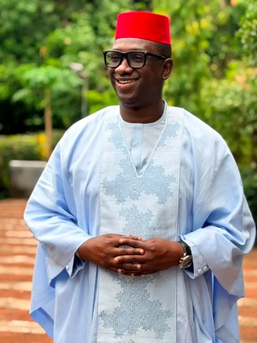
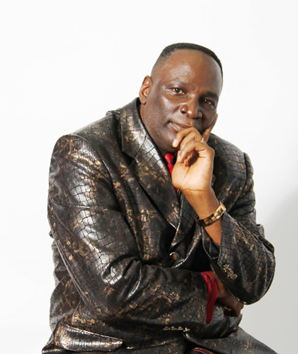
In a moment of profound national significance, Sierra Leone stands at a crossroads. The ongoing debates over constitutional and electoral reform have stirred passions, raised concerns, and challenged the fabric of our democracy. It is in this critical context that Bishop J. Archibald Cole, a respected spiritual leader and voice of conscience, offers a heartfelt, godly, and cautionary message to both the government and the people of Sierra Leone. His words serve as a guiding light—calling for wisdom, patience, humility, and unity in the pursuit of meaningful reform and enduring peace.
The Core of Our National Identity: The Constitution
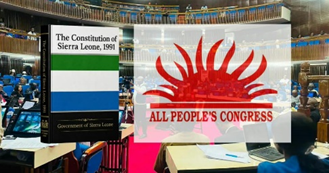
Bishop Cole begins his message by emphasizing the paramount importance of the 1991 Constitution of Sierra Leone, which remains the bedrock of our democratic order. The Constitution—Act No. 6 of 1991—is not merely a legal document; it is the shared moral and legal foundation upon which our nation’s stability, justice, and sovereignty rest.
He urges all political actors—government, opposition, and civil society—to approach the ongoing controversy over Sections 91 and 108 of the Constitution with reverence for its provisions, not from a standpoint of political advantage or convenience. These sections govern parliamentary procedures and constitutional amendments, respectively. Interpreted harmoniously, they serve to protect the integrity of our constitutional order.
The plea is clear: the Constitution must be our common ground. It must guide us, not be manipulated as a tool for partisan gain. Where higher thresholds for constitutional amendments are prescribed, those thresholds must be respected. Where general parliamentary rules apply, they should not be displaced without due cause. This is a call for constitutional fidelity—an adherence to the rule of law that transcends fleeting political interests.
Electoral Reform: A Matter of National Justice and Inclusiveness
Next, Bishop Cole tackles the sensitive issue of electoral reform. He acknowledges that the recommendations from the Truth and Reconciliation Commission (TRC) and the Tripartite Process have opened vital national discussions. Among these is the proposal to transition from the First-Past-the-Post (FPTP) electoral system to a form of Proportional Representation (PR).
He recognizes that electoral reform is a legitimate and necessary conversation—one that touches on representation, inclusiveness, accountability, political stability, and national cohesion. However, he warns against rushing or imposing such reforms without broad consensus and careful deliberation.
The fundamental question, he emphasizes, is: “What electoral system will best serve the democratic interests of Sierra Leone?” This is not a question for political convenience but for the collective good of all Sierra Leoneans. Changes must be rooted in what promotes fairness, inclusiveness, and stability, rather than being driven solely by partisan advantage.
The Distinction Between Recommendations and Constitutional Amendments
Bishop Cole underscores a vital legal principle: recommendations from bodies like the TRC or the Tripartite process are not automatically law. They carry moral and political weight but do not amend the Constitution unless the constitutional procedures for amendment are strictly followed.
He warns against any attempt—by the government or opposition—for political agreements or consultations to be mistaken for constitutional authority. Any constitutional change requires following due legislative or constitutional amendment procedures. This ensures legitimacy, transparency, and respect for the rule of law.
Responsibility of the Majority and Respect for the Opposition
A significant part of Bishop Cole’s message addresses the responsibilities of those in power, especially the parliamentary majority. He reminds them that numerical strength is not only a tool for passing laws but also a sacred trust—an obligation to exercise power responsibly, with respect for constitutional processes, minority rights, and the long-term interests of the nation.
He advocates that a majority should ask not only “Can we pass this?” but also “Is this process transparent? Does it strengthen public trust? Would we accept this process if we were in opposition?” Democracy, he emphasizes, is not rule by majority alone but rule within the bounds of constitutional discipline and respect for opposition.
Equally, he calls on the opposition to exercise its right to dissent responsibly. The right to disagree is fundamental, but dissent must remain within constitutional and legal channels. Boycotts, walkouts, or protests—while expressions of discontent—should not replace dialogue, debate, and engagement with the institutions that uphold our democracy.
The Danger of Politicizing the Constitution
One of the greatest threats, Bishop Cole warns, is the temptation for political actors to interpret the Constitution selectively—favoring their immediate interests over constitutional fidelity. Such tendencies risk undermining the very instrument meant to safeguard our democracy.
He reminds all Sierra Leoneans that the Constitution must mean the same thing regardless of who is in power. Today’s majority may be tomorrow’s minority, and vice versa. Therefore, constitutional principles must be respected by all, at all times, as a matter of national integrity—not partisan convenience.
Resolving Constitutional Uncertainty with Maturity
A key concern raised is the current uncertainty surrounding Sections 91 and 108 of the Constitution. If genuine ambiguity exists, the country should not be left in limbo, torn between competing political interpretations. Instead, Bishop Cole advocates for authoritative clarification—be it through judicial interpretation or expert constitutional advice.
Seeking legal clarification is a sign of constitutional maturity. It demonstrates respect for the rule of law and recognizes that constitutional questions are complex and deserving of expert judgment. This approach fosters stability and prevents misguided or unconstitutional actions.
Caution Against Haste and Urgency
While electoral reform is urgent, Bishop Cole warns against confusing urgency with hasty action. Genuine reform requires careful preparation, consensus-building, and adherence to legal processes. Rushing reforms that are perceived as imposed or unconstitutional risks resistance, division, and long-term instability.
He urges the government to exercise patience, ensuring that reforms are transparent, inclusive, and enjoy broad public confidence. Legitimacy is rooted in legality, not speed.
Citizens’ Role in Maintaining Unity
Bishop Cole’s message is also deeply rooted in the importance of national unity. He calls on ordinary Sierra Leoneans—citizens—to resist divisive narratives and to see beyond partisan differences. Our political parties—APC, SLPP, others—are all part of Sierra Leone. Supporting or opposing the government does not make one less Sierra Leonean.
He warns against allowing political disagreements to devolve into hatred, violence, or ethnic or religious hostility. Our diversity should be a source of strength, not division. The fabric of our nation is fragile, and unity must be a collective responsibility.
The Call for National Dialogue
Perhaps the most powerful appeal in Bishop Cole’s message is for structured, sincere, and inclusive national dialogue. Leaders from all sectors—government, opposition, parliament, traditional authorities, religious groups, civil society, and the legal profession—must come together to discuss, understand, and resolve the issues surrounding constitutional and electoral reform.
This dialogue should aim to:
Ensure constitutional legality
Promote transparency and inclusiveness
Strengthen institutional legitimacy
Foster public understanding and confidence
Secure long-term national stability
The goal is not to produce winners and losers but to craft solutions that Sierra Leone can live with—solutions rooted in justice, legality, and national unity.
Final Prayer and Appeal
Concluding his message, Bishop Cole offers a prayer for wisdom, courage, and divine guidance. He urges all Sierra Leoneans to prioritize reconciliation, respect, and patriotism over partisan advantage.
His words resonate with a spiritual call for humility and responsibility: that leaders exercise power with humility, dissent with responsibility, and institutions with integrity. Citizens are encouraged to demand accountability without hatred, and to remember that Sierra Leone is greater than any political moment.
He reminds us that constitutional change should not be driven by convenience or political expediency but by justice, legality, and the collective good. Reforms should be pursued lawfully, transparently, peacefully, and inclusively, in harmony with our constitutional principles.
A Spirit of Hope and Unity
As a spiritual and moral leader, Bishop Cole’s closing prayer is for divine wisdom to prevail over political expediency, for dialogue over confrontation, and for reconciliation over division. His heartfelt hope is that Sierra Leone remains one nation—united in peace, justice, constitutional order, and democratic hope.
His words serve as a moral compass—a reminder that our destiny as a nation depends on our collective willingness to uphold the rule of law, pursue justice with humility, and build a future rooted in unity and shared purpose.
In conclusion, Bishop Cole’s counsel is a clarion call for all Sierra Leoneans to prioritize the higher ideals of justice, peace, and national unity above fleeting political gains. His message underscores that true sovereignty rests not in the dominance of one group but in the adherence to constitutional principles and democratic values. Let us heed this godly and cautionary advice and work together to forge a future where Sierra Leone’s democracy is strengthened, its unity preserved, and its constitution revered.