
By Patriot
The recent revelation that alleged kidnappers in Freetown have been released on bail, despite facing serious charges, demands urgent reflection and action from Sierra Leone’s justice system and society at large. This disturbing development not only threatens the life of the victim, but also undermines public confidence in law enforcement and the judiciary.
On March 29, 2026, a young man became the victim of a brazen kidnapping operation by men reportedly dressed in military uniforms. According to credible reports, these assailants tracked the victim for days before ambushing him with firearms, subjecting him to violent torture, and robbing him of cash and valuables worth tens of thousands of dollars. The gravity of this crime cannot be overstated, as it reflects a level of premeditation and brutality that should evoke swift and uncompromising justice.
What initially inspired hope was the professionalism exhibited by the Sierra Leone Police in tracking down three suspects promptly. Among the accused were a serving police officer, an employee of the National Petroleum Authority, and a nightclub security guard, individuals trusted with public safety and national resources. Their arrest and initial remand to Pademba Road Prison symbolized a commitment to holding offenders accountable, regardless of their connections or positions.
However, that hope has been severely dashed. Reports now indicate these suspects have been released on bail after the matter was committed to the High Court without the knowledge or consent of the victim, whose life remains in grave danger. This raises troubling questions about the integrity and transparency of the judicial process. Why are individuals accused of such heinous crimes allowed freedom while their alleged victim faces ongoing threats? How can the courts justify releasing those charged with conspiracy, robbery with aggravation, and kidnapping, all serious offenses that imperil public safety?
Sierra Leoneans have long been troubled by the perception that those linked to powerful institutions or individuals receive preferential treatment. The message sent when alleged kidnappers walk free while ordinary citizens convicted of minor infractions remain imprisoned, is profoundly damaging. It not only erodes trust in the rule of law, but also emboldens criminals who believe they can exploit connections to evade justice.
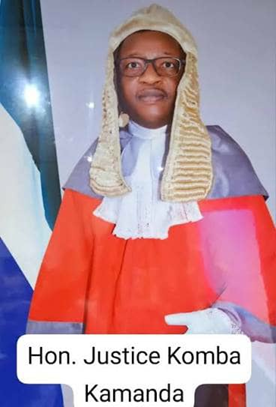
It is incumbent upon Chief Justice Hon. Komba Kamanda and the entire judiciary to ensure that justice is not only done, but seen to be done. The protection of victims and the public must be paramount. Bail decisions in cases involving violent crimes and ongoing threats to victims should be guided by stringent assessments of risk, not merely procedural formalities or undue influence.
Furthermore, this case highlights the urgent need for systemic reforms. Transparency in court processes, victim protection mechanisms, and oversight of bail grants must be strengthened to prevent miscarriages of justice. Public awareness and media scrutiny play critical roles in holding institutions accountable, but ultimately, it is the responsibility of the judiciary and law enforcement agencies to uphold their mandates without fear or favor.
Sierra Leone cannot afford to become a “kidnapping state,” where perpetrators roam freely while victims live under constant threat. The government and judicial authorities must send a clear message that crime will not pay, that no one is above the law, and that the safety and dignity of every citizen are inviolable.
Until such commitments translate into concrete actions where serious criminals are detained appropriately, and victims are protected, the faith of the people in justice will continue to wane. Let us call upon all stakeholders, from the highest judicial office to civil society, to rise to this challenge. Only then can Sierra Leone build a fairer, safer nation where all citizens can live without fear.
This situation will be closely followed, with updates to be provided in subsequent editions.