NatCA Champions Digital Inclusivity & Consumer Rights
By Alex Lawrence Koroma
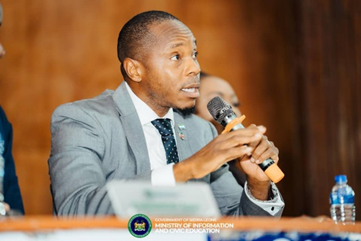
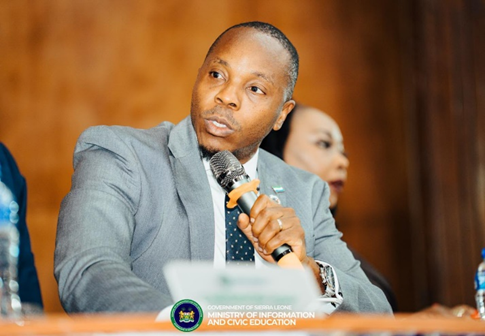
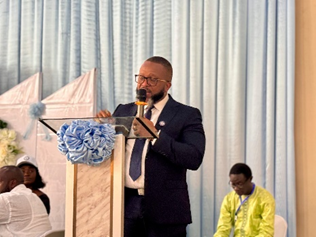
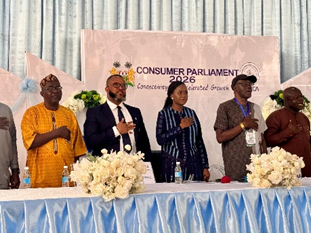
On Friday, May 22, 2026, Sierra Leone witnessed a significant milestone in its ongoing journey toward digital transformation and consumer empowerment, as the National Communications Authority (NatCA) hosted its 7th Consumer Parliament at the Kenema City Council Hall. This gathering brought together a diverse array of stakeholders including government officials, telecommunications companies, Parliamentarians, Civil Society Organizations, regulators, and consumers to discuss pressing issues affecting the nation’s telecommunications and Information and Communication Technology (ICT) sectors.
The event served as a vital platform for dialogue, accountability, and collaboration, with the overarching goal of improving service quality, bolstering consumer protection, making telecommunications more affordable, and advancing digital inclusion across Sierra Leone. In the context of rapid technological advancement and increasing reliance on digital platforms, the Consumer Parliament underscores the country’s commitment to fostering an inclusive digital ecosystem where the rights and needs of consumers are prioritized.
Delivering the keynote address, Madam Salima M. Bah, Sierra Leone’s Minister of Communication, Technology and Innovation, highlighted remarkable progress in the telecommunications sector over recent years. She noted that network coverage across the country has expanded significantly, with nearly 90 percent of the population now within reach of mobile networks. Additionally, 4G network coverage has surpassed 88 percent, providing Sierra Leoneans with faster internet speeds and more reliable connectivity. The gradual rollout of 5G services, although still in its infancy, signifies Sierra Leone’s commitment to embracing cutting-edge digital technologies.
Madam Bah expressed optimism about the strides made, but acknowledged that challenges remain. She identified critical issues such as inconsistent quality of service, affordability of data and voice calls, infrastructure resilience, and the persistent problem of last-mile connectivity — especially in remote and underserved communities. These challenges, she explained, hinder the full realization of Sierra Leone’s digital potential.
Addressing the recurring issues impacting service delivery, Madam Bah pointed out that frequent network outages, fiber cuts, vandalism, and damage to telecommunications infrastructure are major barriers to reliable connectivity. Such incidents often result from theft or malicious destruction, which not only disrupt service, but also incur substantial repair costs. To combat this, she called upon communities to play an active role in safeguarding critical telecom infrastructure. Community vigilance and cooperation, she asserted, are essential to protecting infrastructure from theft, vandalism, and damage—factors that undermine national efforts toward digital inclusivity.
While the costs associated with internet and fiber optic services have decreased significantly over the years, Madam Bah emphasized that mobile data remains prohibitively expensive for many Sierra Leoneans. For a country striving to bridge the digital divide, affordability is a key concern. She reassured stakeholders that the government remains committed to implementing reforms aimed at reducing costs and making telecommunications services more accessible to all citizens.
The Minister also praised mobile network operators for their ongoing investments in infrastructure, contributions to national revenue, job creation, and corporate social responsibility initiatives. However, she challenged operators to do more in enhancing customer care and user experience, emphasizing that consumer satisfaction is central to the sector’s growth.
In a bid to improve efficiency and reduce operational costs, the government is actively considering reforms related to infrastructure sharing among telecom operators. Madam Bah explained that by sharing towers and other network assets, operators can minimize duplication, lower costs, and expand coverage more rapidly—especially in hard-to-reach areas. Such reforms are expected to lead to better service quality and affordability for consumers.
Amara Brewah, Director General of NatCA, underscored the regulator’s fundamental role in maintaining a fair, transparent, and balanced relationship among government, service providers, and consumers. He highlighted that regulation in the telecommunications sector extends beyond punitive measures; instead, NatCA relies on a comprehensive approach that includes consultation, monitoring, engagement, and enforcement to uphold accountability.
Mr. Brewah acknowledged the rising frustrations among the public regarding poor network quality, billing discrepancies, dropped calls, and service interruptions. Nonetheless, he assured participants that NatCA follows established procedures for investigating complaints, engaging with operators, and taking regulatory action when necessary. He also disclosed that the authority has recently commissioned a state-of-the-art office complex equipped with advanced monitoring systems. This investment will bolster NatCA’s capacity to oversee operators more effectively, ensuring improved service delivery across Sierra Leone.
Madiana Samba, Chairperson of the NatCA Board, emphasized the importance of active consumer participation in shaping a responsive and accountable telecommunications sector. She noted that the Consumer Parliament provides Sierra Leoneans a vital platform to voice their concerns, offer feedback, and directly engage service providers on issues that directly affect them.
Ms. Samba further highlighted NatCA’s broader role in safeguarding consumer rights through dispute resolution mechanisms, promoting fair competition, and ensuring service quality. She also pointed to the increasing importance of cybersecurity awareness, digital literacy, and efforts to expand connectivity to underserved communities via the Universal Access Development Fund (UADF). These initiatives aim to create a more inclusive digital environment that benefits all citizens, regardless of their geographic or socio-economic status.
Throughout the discussions, consensus emerged that Sierra Leone has made considerable progress on its digital transformation journey. Yet, participants acknowledged that much work remains. Key areas requiring urgent attention include improving network reliability, reducing costs to enhance affordability, expanding access in rural and marginalized communities, boosting digital literacy, and strengthening consumer protection frameworks.
The 7th NatCA Consumer Parliament concluded on an optimistic note, with renewed commitments from government agencies, regulators, parliamentarians, telecom operators, and civil society to work collaboratively in building a resilient, inclusive, and consumer-centered telecommunications sector. Such collective efforts are vital if Sierra Leone is to realize its vision of a digitally empowered nation capable of competing regionally and globally.
Final Thoughts
As Sierra Leone continues to navigate its digital future, the 7th Consumer Parliament in Kenema underscores the importance of stakeholder engagement, regulatory oversight, and community participation in shaping policies that promote equitable access, high-quality services, and robust consumer protections. The event exemplifies the country’s dedication to harnessing technology for socio-economic development and ensuring that no Sierra Leonean is left behind in the digital age.
In conclusion, the journey toward a more connected, affordable, and inclusive telecommunications landscape is ongoing. With continued collaboration among all stakeholders, Sierra Leone can build a vibrant digital ecosystem that benefits every citizen and propels the nation toward sustainable development.