
Jagaban Launches $4 Million Transport Revolution
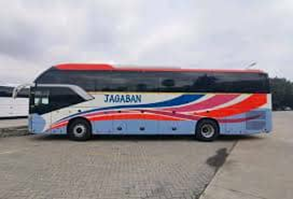
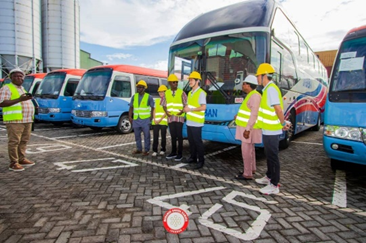
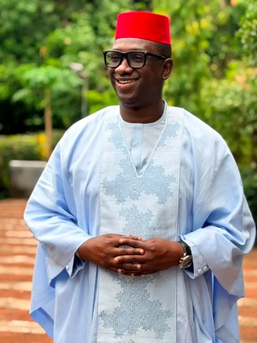
In a bold move set to transform Sierra Leone’s public transportation landscape, Sheikh Alhaji Mohamed Omodu Kamara, widely known as Jagaban, and a leading aspirant for the All People’s Congress (APC) flagbearership, has unveiled a US$4 million transport initiative featuring 25 brand-new buses from the renowned Chinese manufacturer, Golden Dragon.
The sleek fleet of modern buses recently arrived at the Queen Elizabeth II Quay in Freetown, marking the first phase of an ambitious plan aimed not primarily at generating profit, but at addressing the chronic challenges of public transport for everyday Sierra Leoneans. According to Jagaban, these buses are a strategic investment to improve mobility, ease commuting difficulties, and ultimately stimulate broader social and economic development across the country.
The vehicles are equipped with state-of-the-art amenities, including air conditioning, freezers, Wi-Fi internet access, mobile phone charging ports, and disability-accessible features, a comprehensive package that promises to enhance passenger comfort and convenience considerably. The fleet consists of buses with seating capacities of 51 and 30 passengers, carefully designed to serve varied demand levels, while connecting major towns and cities throughout Sierra Leone.
Beyond domestic routes, Jagaban and his team have ambitious plans to extend services regionally, linking Sierra Leone with neighboring Guinea and Liberia, thereby promoting greater mobility, regional trade, and integration in West Africa.
In a move that has captured national attention, Jagaban pledged to provide two full months of free public transport nationwide once the entire bus fleet is deployed. This bold commitment aims to ease the financial burden on workers, traders, students, and families facing ever-increasing transportation costs — a gesture warmly welcomed by the public.
Supporters of the initiative hail this as an unprecedented private-sector investment to solve a national challenge. Many are calling on the Government of Sierra Leone to back the project, emphasizing that such partnerships are vital for accelerating infrastructure development and improving citizens’ quality of life.
The transport revolution also promises significant employment opportunities. Jagaban disclosed that the initiative would directly create over 100 new jobs, ranging from drivers and conductors to technicians. Additionally, the project includes planned technical training programs focused on developing local skills in bus maintenance and operations, ensuring sustainable management and empowering Sierra Leonean professionals.
“This project is more than just buses on the road; it’s about investing in our people and helping Sierra Leone move forward,” Jagaban said during the official handover ceremony, which included the JAGABAN Movement leadership alongside a Chinese delegation overseeing the arrival and clearance of the buses at the port. The vehicles were subsequently transferred to the Wellington depot to prepare for operational deployment.
As one of the foremost contenders for the APC flagbearership, Jagaban’s transport initiative is generating significant public enthusiasm, serving as tangible evidence of his readiness to deploy personal resources in addressing critical, everyday problems faced by Sierra Leoneans. His supporters view the project as a demonstration of pragmatic leadership and a commitment to national development that transcends political rhetoric.
Recognizing the importance of unity for progress, Jagaban urged citizens to embrace peace and cooperation across political divides. “Development requires all of us to work together,” he emphasized, calling on Sierra Leoneans to support initiatives that foster economic transformation and inclusive growth.
The arrival of these 25 buses is merely the beginning. The Jagaban Movement envisions building a transportation system that is safer, more affordable, and better equipped to meet the demands of a growing economy and population. By investing in modern vehicles and comprehensive services, the initiative hopes to reduce travel time, improve accessibility, and raise standards for public transit throughout the country.
In conclusion, Jagaban’s $4 million transport project signals a deliberate effort to revolutionize how Sierra Leoneans move around their country, create economic opportunities, and contribute directly to the nation’s social and economic development objectives. If successfully implemented and supported, this initiative could serve as a model of private-public partnership and visionary leadership poised to drive Sierra Leone forward.
As the buses prepare to hit the roads in the coming weeks, the Sierra Leonean public watches with anticipation, hopeful that this bold initiative will usher in a new era of convenient, reliable, and affordable transportation for all.